In an age where societies are increasingly divided by rigid ideologies, the rise of “isms” such as separatism, radicalism and extremism poses a serious challenge to unity and progress. While these ideologies often begin with intent or identity, they can gradually evolve into cycles of division, conflict and stagnation.
True prosperity both social and economic cannot grow in an environment of fragmentation. It thrives in unity, shared purpose and balanced thinking. The question, then, is: How do we escape the trap of these ‘isms’ and move toward real, sustainable prosperity?
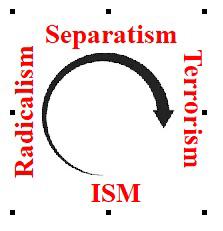
Understanding the Cycle of ‘Ism’s
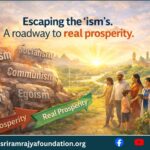
The visual cycle of Radicalism →Separatism → Terrorism → ISM reflects a dangerous progression:
- Radicalism intensifies beliefs, rejecting dialogue
- Separatism begins with division “us vs them” thinking
- Terrorism turns ideology into destructive action
- The cycle then reinforces itself, trapping societies in conflict
This loop creates fear, distrust and instability conditions where development cannot flourish.
The Hidden Cost of Division
While ideologies may promise identity or empowerment, their extreme forms often result in:
- Breakdown of social harmony
- Economic instability and reduced investment
- Loss of human potential and talent
- Weakening of national and cultural unity
A divided society spends more energy on conflict than on creation.
The Path to Real Prosperity
To break free from this cycle, societies must consciously move toward inclusive, value based development. Here are key pathways:
1. From Identity to Humanity
Instead of defining ourselves by narrow labels, we must embrace a broader human identity.
- Promote unity beyond caste, religion, or region
- Encourage empathy and shared responsibility
- Focus on collective growth over individual divisions
-
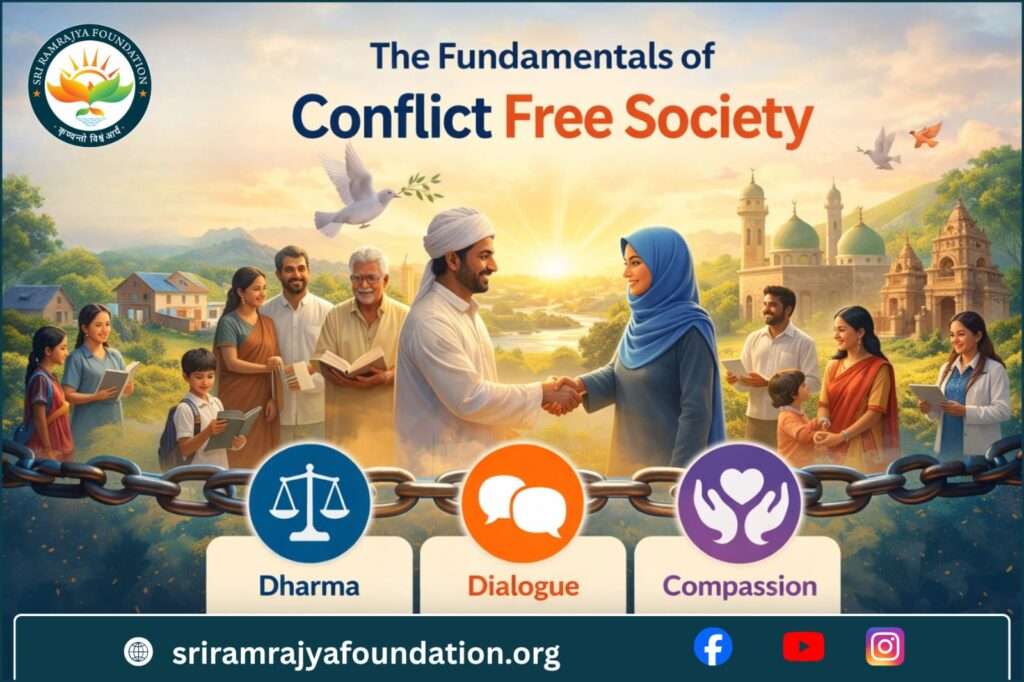
Dialogue Over Dogma
Rigid thinking fuels extremism. Open dialogue builds understanding.
- Encourage discussions, not debates driven by ego
- Promote education that develops critical thinking
- Respect differences without turning them into conflicts
3. Value-Based Education
- Education must go beyond academics and focus on character building.
- Teach ethics, responsibility, and compassion
- Instill respect for diversity and coexistence
- Develop emotionally intelligent and socially aware citizens
4. Inclusive Development
Prosperity must reach every section of society.
- Equal opportunities in education and employment
- Bridging urban-rural and economic gaps
- Policies focused on long-term societal well-being
-
Strong Moral Leadership
Leadership plays a critical role in shaping societal direction.
- Leaders must rise above divisive politics
- Promote unity, not polarization
- Lead by example with integrity and accountability
Moving Toward a Unified Vision
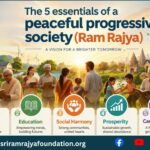
Real prosperity is not just GDP growth or infrastructure development. It is:
- Peace in society
- Trust among people
- Equal opportunity for all
- A shared vision for the future
When societies move beyond divisive “isms,” they unlock their true potential.
Conclusion: Breaking the Cycle
Escaping the ‘isms’ is not about rejecting identity it is about not letting identity become a weapon. It requires awareness, responsibility, and a collective shift in mindset.
A prosperous society is built not on separation, but on connection. Not on extremism, but on balance. Not on conflict, but on coexistence.
When we rise above narrow ideologies, we don’t lose identity we discover a higher purpose: building a peaceful, progressive, and truly prosperous society.